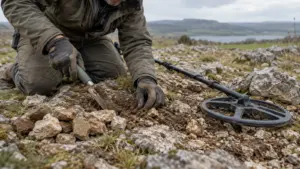
How to Dig a Plug Metal Detecting
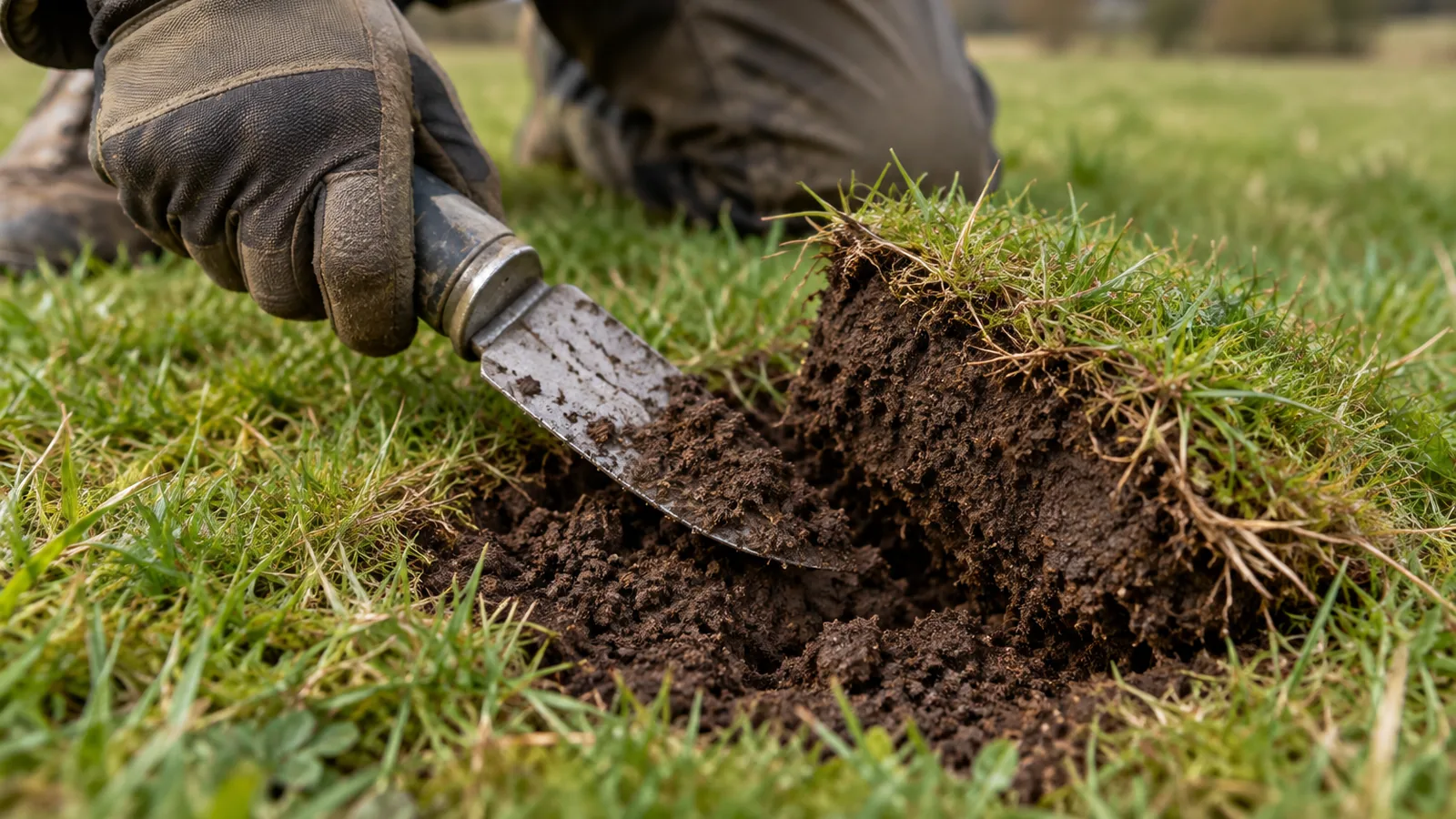
To dig a plug metal detecting, use a sharp hand digger to cut a small, hinged plug; Portland Parks limits plug diameter and depth to 6 inches. Keep the cut as small as the target allows, and check site rules because plug-size recommendations vary.
How do you dig a plug metal detecting?
Quick answer: First confirm digging is allowed at the site. If the sod can be lifted and replaced without damage, use a sharp hand tool to cut a small U-shaped plug with one side attached; there’s no universal cut size or depth, and local rules may set limits. Check the hole before searching removed soil, then replace the soil and hinged plug and press the surface lightly.
- Confirm the site’s laws and rules before detecting or digging.
- Clear loose surface material, test the target again, and mark its center.
- Set aside a nearby spot for the plug and removed soil.
- Cut a U-shaped plug with a sharp hand tool, leaving one side attached; fold it back and check the hole first.
- If needed, pass small handfuls of removed soil over your detector coil, returning each checked handful before taking more.
- Retrieve the target, check the hole for other signals, replace the soil and plug, and tamp lightly; leave possible historic or cultural items, bones, or hazardous waste in place and contact Park Rangers.
How Do You Dig a Plug Step by Step?
Pinpoint and mark the target before cutting, then follow the rules for the site you’re detecting. Keep the cut small, and don’t use a standard plug size where local rules set a different limit.
| Site | Maximum diameter (inches) | Maximum depth (inches) |
|---|---|---|
| Portland Parks | 6 | 6 |
Those dimensions apply to Portland Parks, not every site. Check the applicable rules before you start; if digging isn’t allowed, don’t cut a plug.
- Confirm permission. Check the laws and rules for the specific site before detecting or digging.
- Pinpoint the target. Clear loose surface material, test the spot again, then mark the target’s center to keep the plug small.
- Set aside soil. Choose a clear spot nearby for the plug and removed soil, so you can return both to the hole.
- Cut the plug. Use a suitable sharp hand tool to cut a U shape around the target, leaving one side attached as a grass hinge. A handheld pinpointer can help narrow the target’s location in the plug or hole.
- Lift and check. Fold the hinged plug back, then check the hole first.
- Search soil gradually. If the target isn’t in the hole, pass small handfuls of removed soil over your detector coil, returning each checked handful before taking more.
- Recover and close. Retrieve the target, check the hole again for other signals, replace the soil, fold the plug back, and tamp the surface lightly.
- Stop if the find needs special handling. Leave possible historic or cultural items, bones, and potentially hazardous waste where found, and contact Park Rangers.
Which Tools and Plug Shape Should You Use?
A hand digger lets you make a controlled cut, and leaving one side of the plug attached creates a hinge that keeps the turf together for replacement. Keep the cut narrow enough to limit disturbance, but follow the rules for the site you’re detecting: some parks specify permitted tools and plug dimensions.
For park turf with fine roots, Minelab recommends a serrated digging knife; for larger or deeper targets in parks or dense field soil, it recommends a small, strong spade. On sandy beaches, a scoop or your hands are suitable options. These are setting-specific choices, not a universal ranking.
Cut a neat U-shaped plug with one side left attached, then fold it back instead of scattering the soil. That attached edge helps keep the turf connected as you open the hole.
There’s no single best blade size or plug dimension supported for every site. Portland Parks, for example, permits a half-circle cut no wider than 6 inches in diameter and no deeper than 6 inches, with the plug left hinged open. Check the specific site’s rules before choosing a tool or making a cut, since a method allowed in one park may not be allowed in another.
How Should Soil Change Your Digging Technique?
Let the condition of the sod decide whether you dig: if it’s too wet or too dry to recover without damage, wait for better conditions. Very dry ground can make it almost impossible to dig without damaging grass roots.
When the sod is recoverable, keep the cut controlled and leave one side attached as a hinge so you can fold the plug back rather than scatter soil. Don’t force a cut through ground that resists; the available guidance gives no soil-specific cut shape, depth, or technique for hard, rocky, or root-filled ground. There’s no universal depth or cut size supported for every soil condition.
After lifting the plug, check the hole first, then search removed soil in small handfuls and return each checked handful to the hole. This lets you work through the soil gradually without spreading it around the opening.
If the sod is too wet or dry to lift and replace without damage, skip the dig and return when conditions improve. No moisture test or waiting period is specified, so use conditions rather than a fixed schedule.
How Do You Close the Hole Cleanly?
Return the removed soil to the hole, set the hinged plug back in its original position, and press it down lightly to restore the surface.
After recovering the target, check the hole again for another signal before closing it. If you find more soil to remove, return it to the hole when you’re done.
Restore the ground as closely as you can to its condition before digging, and leave the surrounding area tidy. The exact restoration rules depend on the site. For example, Portland Parks requires holes and plugs to be restored as close as possible to their pre-removal condition and ground-surface level. Check the rules for the specific location before detecting or digging.
Frequently Asked Questions
How do I recover a target deeper than the plug?
Use a small, strong spade to extend the hole only after you’ve checked the lifted plug and hole, and only where digging is allowed. Remove soil in small amounts, checking each handful over your detector coil and returning it before taking more. Stop if the ground won’t lift cleanly without damaging the turf.
What should I do if the plug breaks apart while digging?
Gather the plug pieces and loose soil beside the hole, then check each small handful over your detector coil so you can return the checked soil as you search. After retrieving the target, put the soil back, fit the turf pieces into place, and press the surface lightly. If the sod is too wet or dry to restore without damage, stop digging.
How can I avoid underground utilities when digging?
Avoid underground utilities by checking for utility markings and visible irrigation lines, and don’t dig where a line may be present. Keep the hole small, use a hand tool, and follow local rules for digging.
How do I dig safely around tree roots?
Avoid cutting or probing near visible roots, and choose another target if the root system is in the way. Portland Parks prohibits detecting within 2 feet of visible surface roots and requires checking for roots before probing or cutting. A serrated digging knife is recommended for fine-rooted park turf, but don’t cut through a root to reach a target.
What is a hinged plug in metal detecting?
A hinged plug is a section of turf cut around a target with one edge left attached, so you can fold the grass back and replace it after recovering the find.
Conclusion
If the sod lifts cleanly and the site allows digging, make a small hinged cut, search the hole before the removed soil, and return each handful as you check it. If the ground is too wet or dry to restore without damage, wait for better conditions; if the find may be historic, cultural, or hazardous, leave it in place and contact Park Rangers.
Before your next cut, confirm the site’s rules and mark the target’s center. Then use a hand digger to make a controlled U-shaped plug, recover the target, and press the plug back into place.
Sources
- usa.minelab.com (usa.minelab.com)
- PRK-1.25 Recreational Metal Detecting in Parks (portland.gov)
- joanallen.co.uk (joanallen.co.uk)
- fmdac.org (fmdac.org)
- parks.wa.gov (parks.wa.gov)
- pa.gov (pa.gov)
- nps.gov (nps.gov)
- parts.minelab.com (parts.minelab.com)
- minelab.com (minelab.com)
- cmdc.org (cmdc.org)